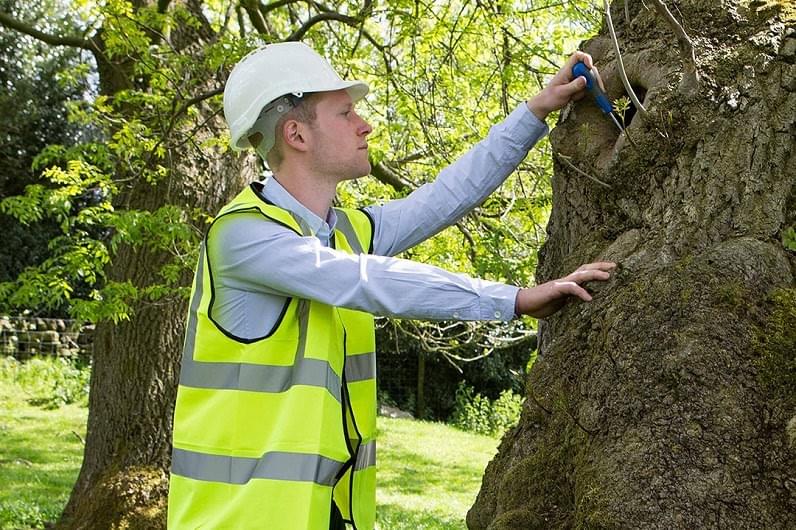
Introduction to Tree Survey Reports
Tree Survey Reports are essential documents used to identify, assess, and manage trees within or adjacent to development sites. They provide detailed information on tree species, condition, size, and structural integrity, enabling informed decisions that balance development needs with the protection of valuable tree assets. In the planning process, Tree Survey Reports help ensure that trees are appropriately considered from the earliest design stages, reducing the risk of unnecessary loss and supporting sustainable, well-integrated development outcomes.
Purpose and Importance of Tree Surveys
The primary purpose of a Tree Survey Reports is to establish an accurate record of existing trees and to assess their quality, longevity, and constraints. Trees offer significant environmental, ecological, and social benefits, including carbon sequestration, biodiversity support, landscape character, and amenity value. Local planning authorities place strong emphasis on tree protection, particularly where trees are protected by Tree Preservation Orders (TPOs) or located within conservation areas. A comprehensive tree survey demonstrates that these considerations have been taken seriously and provides a defensible basis for planning decisions.
Standards and Professional Guidance
Tree Survey Reports are typically prepared in accordance with recognised professional standards, most commonly BS 5837 – Trees in Relation to Design, Demolition and Construction. This standard sets out best practice for surveying trees, assessing their quality, and integrating them into development design. Compliance with BS 5837 ensures consistency, technical credibility, and acceptability to planning authorities, arboricultural officers, and other stakeholders. The report clearly states the methodology used and confirms that surveys have been undertaken by suitably qualified professionals.
Tree Identification and Data Collection
A core element of a Tree Survey Report is the systematic identification and recording of all relevant trees. Each tree is assigned a unique reference number and assessed individually. Data typically includes species, height, trunk diameter, crown spread, age class, physiological condition, and structural condition. This detailed information allows trees to be categorised according to their quality and remaining life expectancy, forming the basis for informed decision-making regarding retention or removal.
Tree Categorisation and Constraints Analysis
Following data collection, trees are categorised based on their arboricultural value and condition. These categories help determine which trees should be prioritised for retention and which may be suitable for removal due to poor condition, low quality, or limited longevity. The Tree Survey Report also identifies key constraints, such as root protection areas (RPAs), canopy spread, Acoustic surveys and potential conflicts with proposed development. This analysis is critical in guiding site layout and avoiding damage to retained trees during construction.
Tree Constraints Plans and Integration with Design
Tree Survey Reports are often accompanied by Tree Constraints Plans that visually represent the location and constraints associated with each tree. These plans are invaluable tools for architects, engineers, and planners, enabling tree considerations to be integrated into the design process from an early stage. By clearly illustrating RPAs and canopy extents, the report supports informed layout decisions that minimise tree loss and reduce the need for complex mitigation measures later in the project.
Impact Assessment and Arboricultural Implications
Where development proposals affect existing trees, the Tree Survey Report assesses the likely impacts and arboricultural implications. This may include direct loss, encroachment into RPAs, or changes to soil levels and drainage patterns. The report evaluates the severity of these impacts and considers whether they can be mitigated through design adjustments or construction techniques. This transparent assessment allows planning authorities to understand the consequences of development and to weigh them against planning benefits.
Tree Protection and Mitigation Measures
Protecting retained trees during construction is a key focus of Tree Survey Reports. The report outlines appropriate tree protection measures, such as protective fencing, ground protection, and construction exclusion zones. These measures are designed to prevent root damage, soil compaction, and physical harm to trees. In some cases, the report may recommend specialist construction techniques, such as no-dig surfaces or supervised excavation, to allow development to proceed without compromising tree health.
Replacement Planting and Landscaping Strategy
Where tree removal is unavoidable, Tree Survey Reports often include recommendations for replacement planting. This ensures that tree cover and landscape character are maintained or enhanced over time. Replacement strategies consider species selection, planting locations, and long-term management to maximise ecological and amenity benefits. By linking tree loss to structured replanting proposals, the report supports balanced and sustainable development outcomes.
Planning and Regulatory Considerations
Tree Survey Reports are frequently required as part of planning applications and are closely scrutinised by local authority arboricultural officers. They help demonstrate compliance with local planning policies, tree protection legislation, and environmental objectives. A well-prepared report reduces the risk of planning delays, objections, or refusal by clearly showing that trees have been properly assessed and that impacts are justified and managed responsibly.
Conclusion
Tree Survey Reports are fundamental tools in the planning and development process, ensuring that trees are valued, protected, and thoughtfully integrated into new development. By providing detailed arboricultural information and clear guidance, these reports support informed decision-making, reduce environmental harm, and promote sustainable land use. When prepared in accordance with professional standards and embedded early in project design, Tree Survey Reports help deliver developments that respect existing landscapes while meeting modern development needs.